
When You See the Signs, but…
7/23/20263 min read
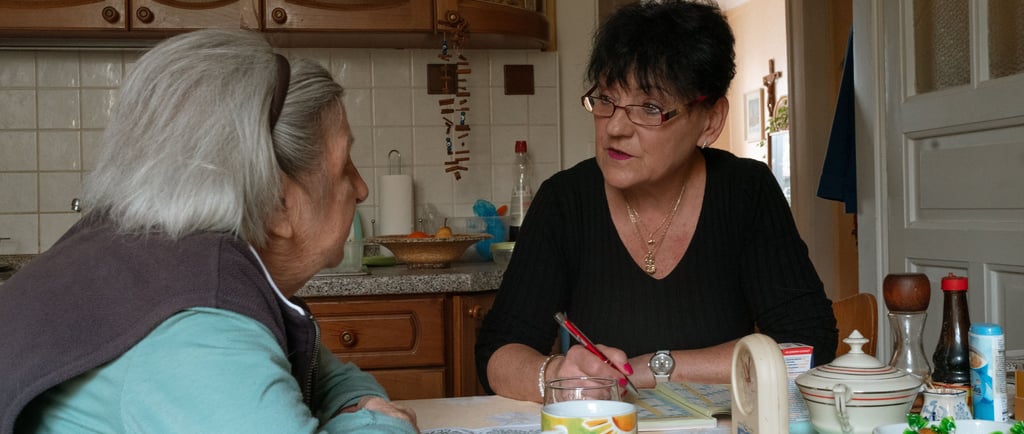
Have you been frustrated because you know something isn’t right with your loved one, but the doctor and everybody else seem to think everything is fine? If you’re caring for an aging parent, spouse, or other loved one and you’re seeing signs of dementia, you’re not alone.
One of the most common concerns I hear from family caregivers is:
“I know something’s not right, but no one else seems to see it. In fact, my loved one is blaming me for things and telling others…like I’m the enemy.”
The truth is, dementia and other forms of cognitive decline often develop gradually. And let’s face it, we spend more time waiting for the doctor than we actually spend with the doctor. During a brief office visit, for example, your loved one may appear alert, answer basic questions correctly, and carry on a pleasant conversation. The doctor only sees a snapshot. You, however, see the whole picture. As the caregiver, you witness the everyday moments that tell a different story, while family members aren’t around enough to notice the beginnings of something that’s “off”.
Perhaps your spouse asks the same question several times within an hour. Maybe your mother forgets conversations you had yesterday or gets confused driving to places she’s visited for years. Your father may begin paying bills twice, leaving the stove on, or struggling to follow familiar recipes. These changes may seem small on their own, but together they can reveal an important pattern.
Trust What You’re Seeing
As caregivers, we sometimes second-guess ourselves. We wonder if we’re overreacting or simply noticing normal aging. While some forgetfulness can be a part of aging, persistent changes in memory, judgment, decision-making, communication, or daily functioning deserve attention. Trust and document your observations. You know your loved one better than anyone else.
Help the Doctor See What You See
Rather than saying, “I think my spouse has dementia,” try providing specific examples.
Keep a simple notebook or use your phone to record observations such as:
Repeating questions or stories several times
Missing medications
Difficulty managing finances
Getting lost in familiar places
Personality or mood changes
Trouble completing familiar tasks
Confusion about dates or appointments
Concrete examples help healthcare providers recognize patterns that may not be apparent during a short office visit.
You Can Share Information Even If the Doctor Can’t Share It
Many caregivers are surprised to learn that privacy laws do not prevent you from giving information to your loved one’s physician.
You can:
Send a secure message through the patient portal.
Mail or fax your observations before the appointment.
Call the office and ask that your concerns be added to the medical record.
Attend the appointment and respectfully share what you’ve observed.
The physician may not be able to discuss your loved one’s medical information without permission, but they can receive information from you.
Ask for an Evaluation
If you continue to have concerns, don’t hesitate to ask whether cognitive screening would be appropriate.
The goal isn’t to “prove” your loved one has dementia. The goal is to understand what’s causing the changes.
Memory problems can result from several treatable conditions, including medication side effects, thyroid disorders, vitamin deficiencies, depression, sleep apnea, or infections. A proper evaluation helps identify the cause and determine the next steps.
Don’t Wait for a Crisis
One of the biggest misconceptions about dementia is that families should wait until symptoms become severe before taking action.
Early recognition gives families time to:
Improve home safety
Review legal and financial documents
Discuss future care preferences
Explore available community resources
Build a support system
Make informed decisions together
Planning ahead often reduces stress and allows families to make decisions before an emergency forces them to.
Remember you…the Caregiver
As you focus on your loved one’s health, don’t overlook your own. Caring for someone experiencing memory loss can be emotionally and physically exhausting. You don’t have to carry every responsibility alone.
Ask family members for help. Reach out to friends. Connect with community resources. And don’t hesitate to ask God for wisdom, strength, and peace for the journey ahead. Although you may feel alone and may actually be alone to care for your loved one, caregiving is not meant to be walked alone. You can find help and community.
Free Resource
Download The Caregiver Link's Memory Changes: Preparing for Your Loved One's Doctor's Visit checklist to help organize your observations before your next medical appointment. It's a simple tool designed to help you communicate your concerns clearly and confidently with your loved one's healthcare team.
A Final Thought
At The Caregiver Link, I believe that eldercare planning isn’t about expecting the worst. It’s about preparing for the future with wisdom, compassion, and confidence.
Recognizing changes early doesn’t mean giving up hope. It means giving your loved one— and yourself—the best opportunity to plan well, stay safe, and navigate the journey with greater peace.
Because preparing today is one of the greatest gifts you can give yourself and the people you love.
The Caregiver Link
Connecting caregivers with resources and community
Contact
Connect
info@thecaregiverlink.com
301-237-7157
© 2026. All rights reserved.
The Caregiver Link is for informational and educational purposes only and is intended to support clearer thinking and informed decision-making. Clients are encouraged to consult appropriate licensed professionals regarding medical, mental health, legal, and financial concerns.